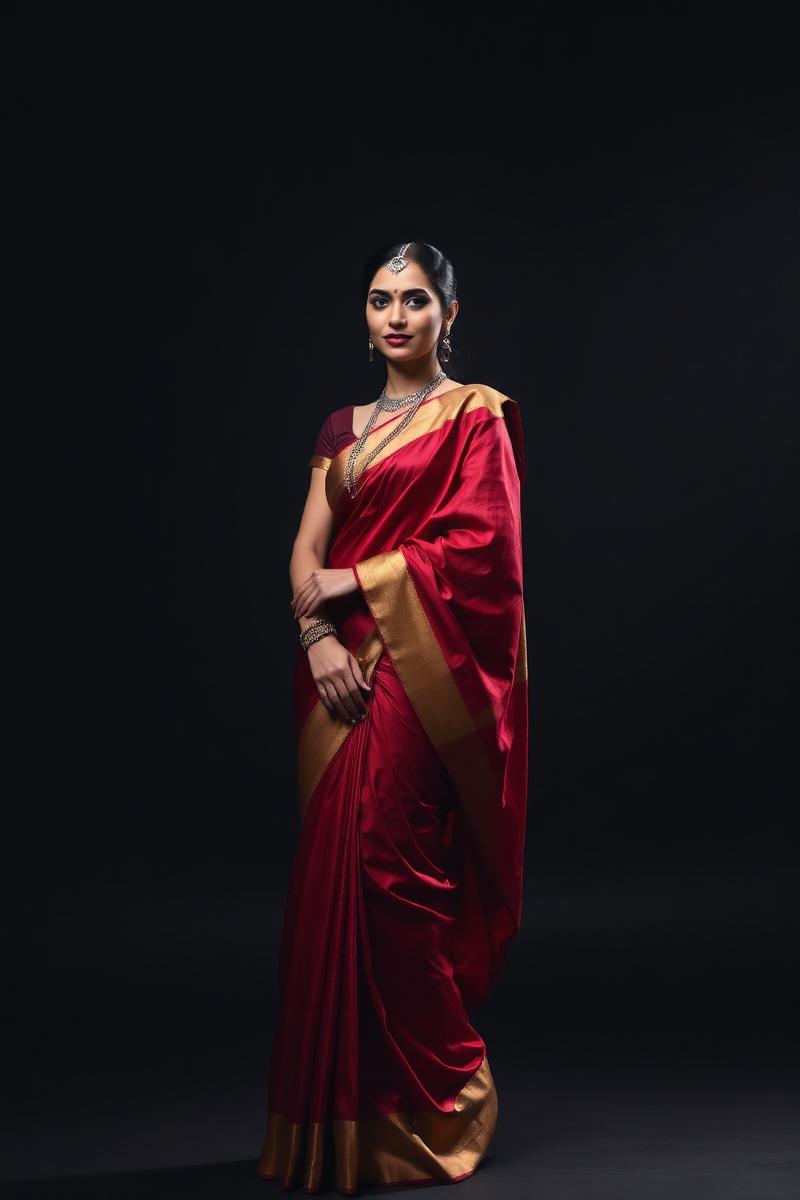
Bridal Vault · 1 of 3
Rakta Shikargah
Kadhwa Banarasi
₹4,85,000
SAMBODRA
WEAVING 0%
Est. Handloom Atelier · India
The Threads of Heritage
Six regions. Nine hundred looms. One register of sarees woven only to order, in silk, zari and time.

Woven Geographies
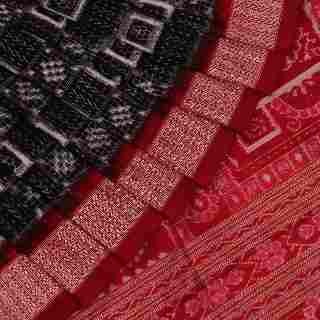
Odisha
Warp and weft tied and dyed before a single pick is thrown — the motif exists in the yarn long before it exists in the cloth.
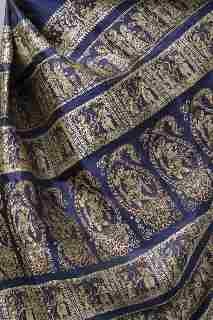
West Bengal
Discontinuous supplementary weft floated by hand, epics narrated across a pallu in fine muslin so light it drifts.
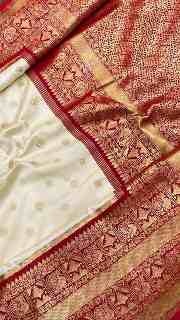
Tamil Nadu
Three-ply mulberry silk interlocked with pure zari at the korvai join — a border that outlives the wearer.
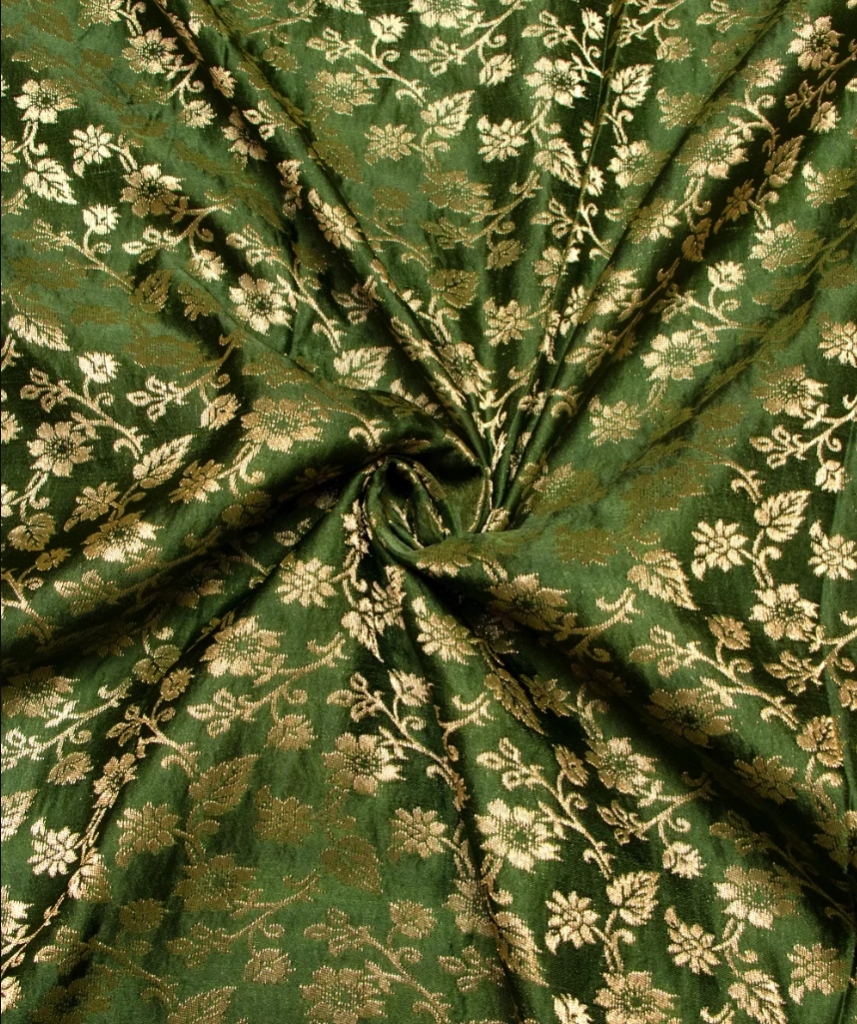
Uttar Pradesh
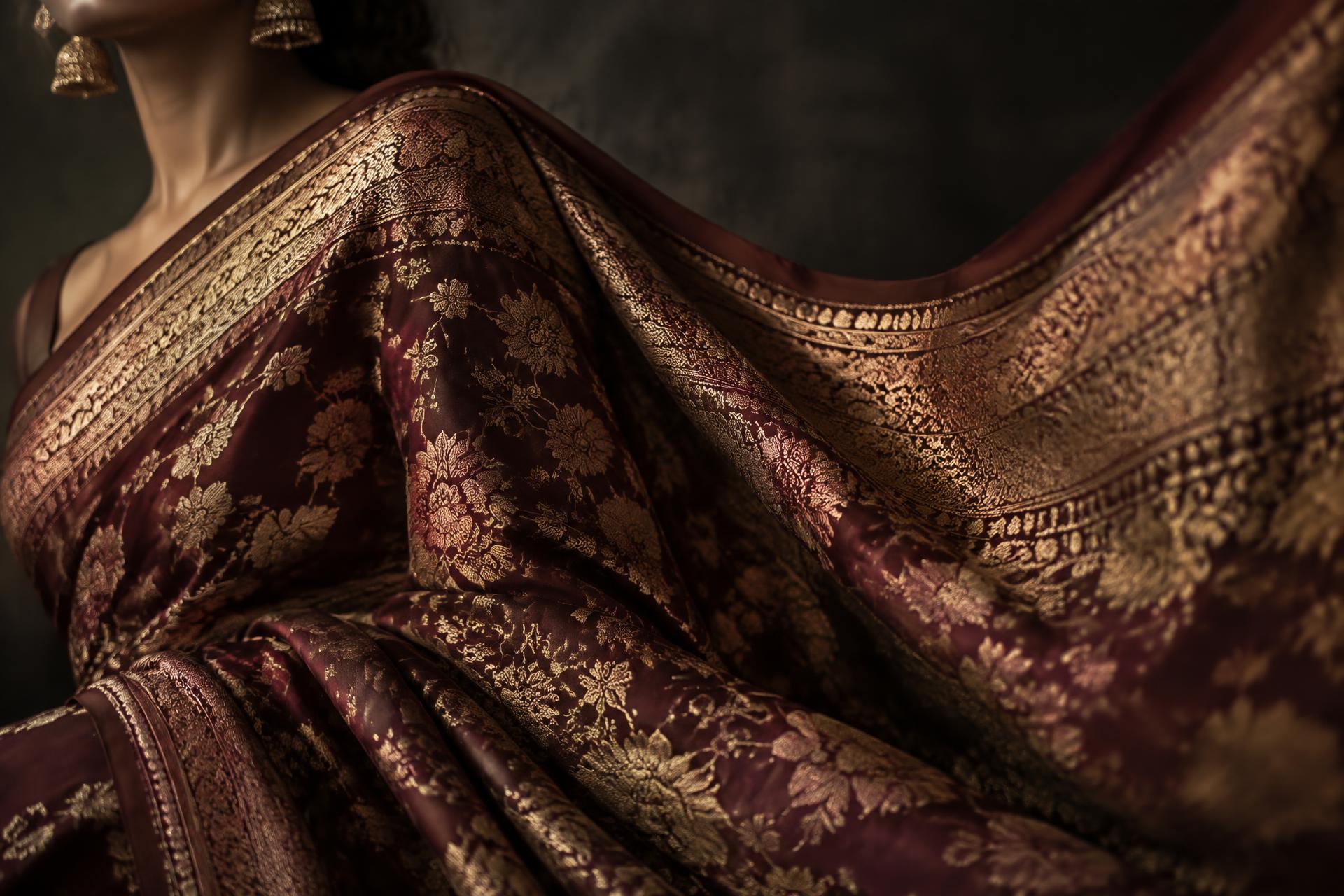
Kadhwa brocade lifted on a jacquard loom in Varanasi, where a six-yard shikargah can take half a year of dawns.
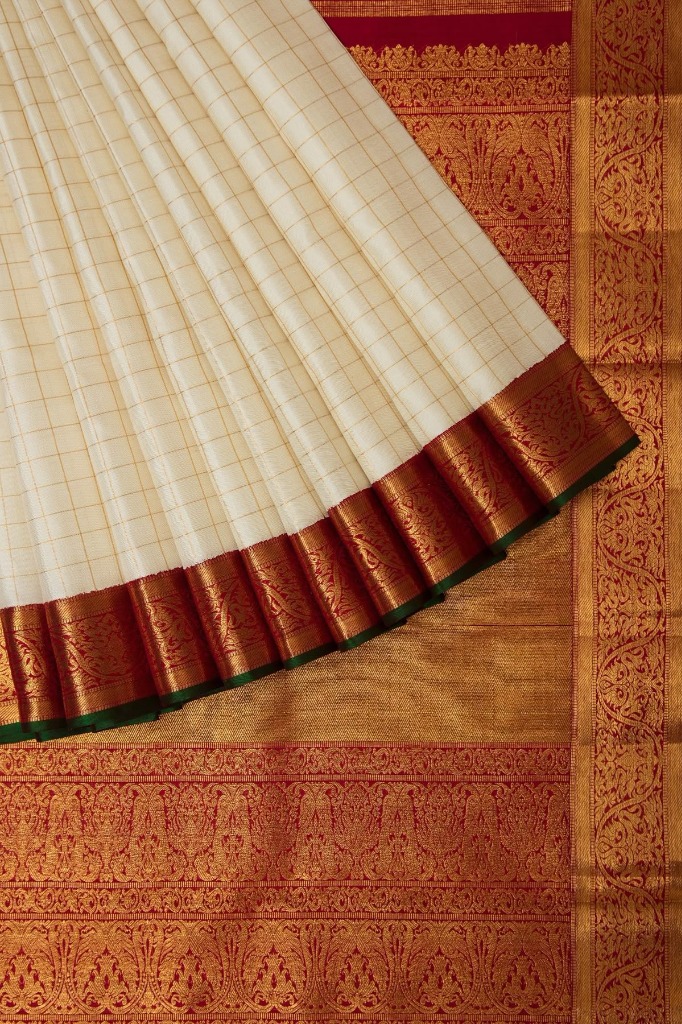
Kerala
Unbleached cotton bordered in kasavu gold — restraint as ornament, cool as the backwaters at first light.
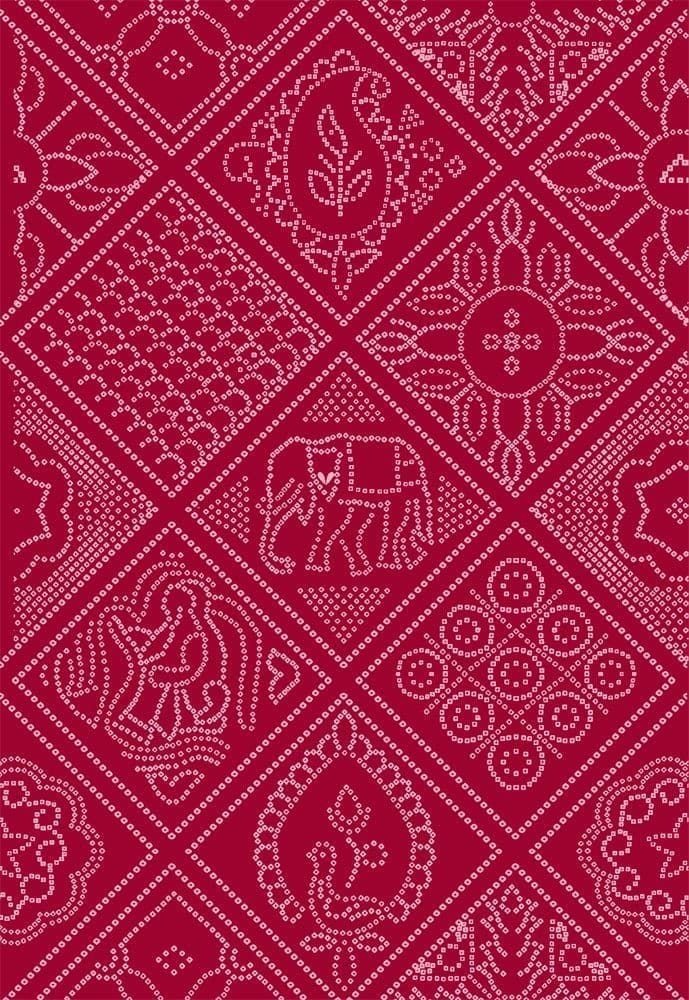
Rajasthan
Thousands of tied points resisted against dye, unfurled into waves of saffron, indigo and dusk-rose.
The Register
Each saree is registered, numbered and released only once its weaver signs the selvedge. No restocks, no reruns.
Bridal Vault · 1 of 3
Kadhwa Banarasi
₹4,85,000
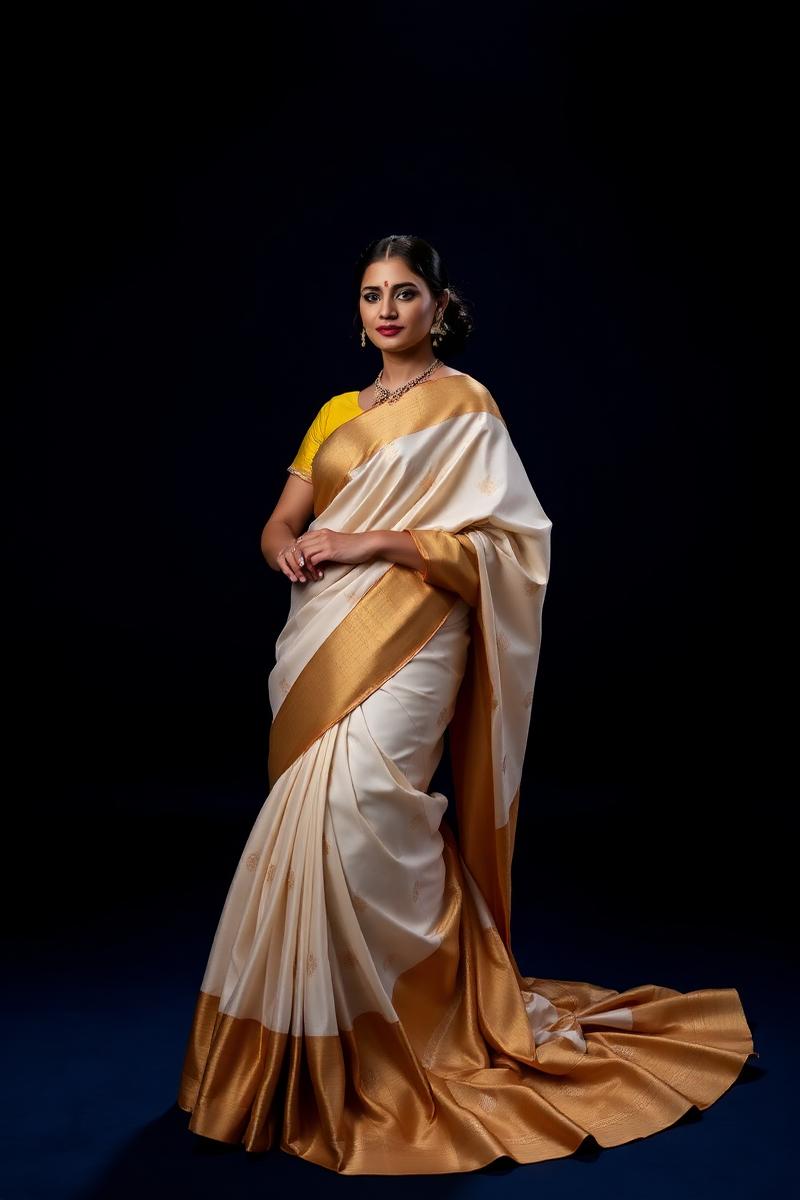
The Gold Register · 1 of 6
Kanjeevaram Silk
₹3,20,000
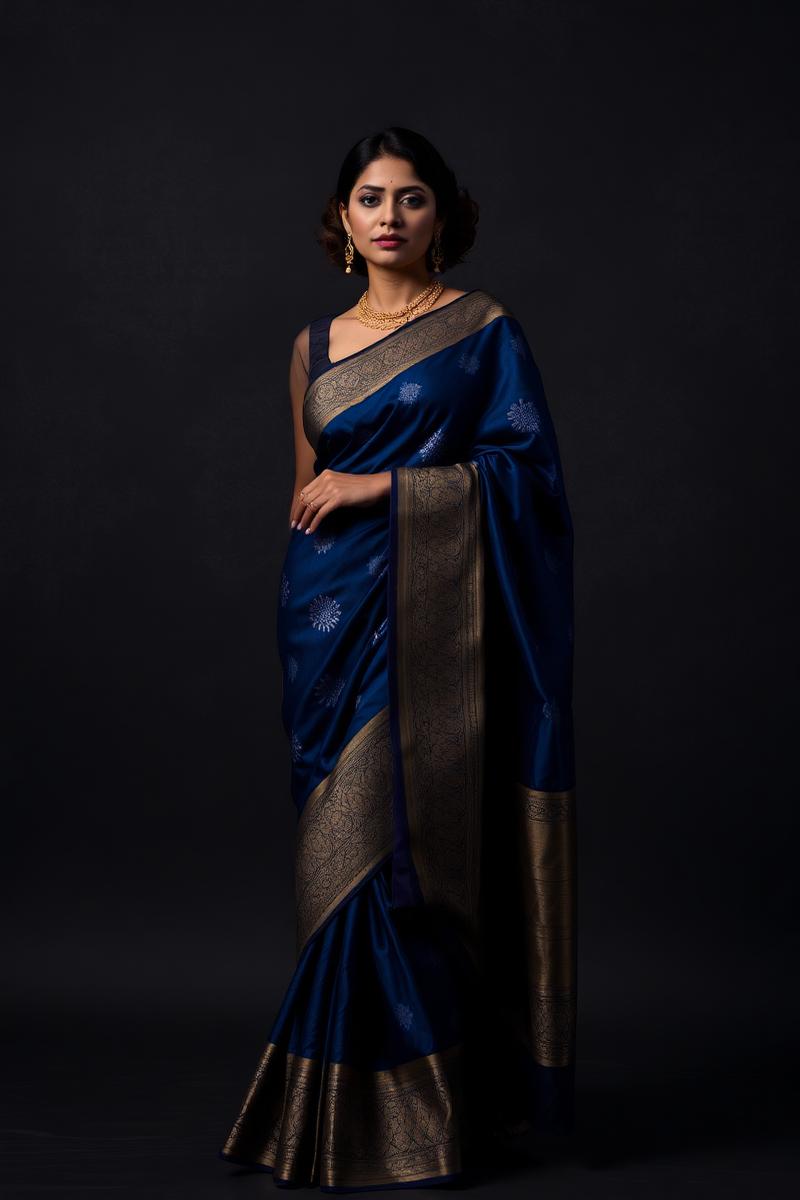
Archive Revivals · 1 of 8
Sambalpuri Ikat
₹1,64,000
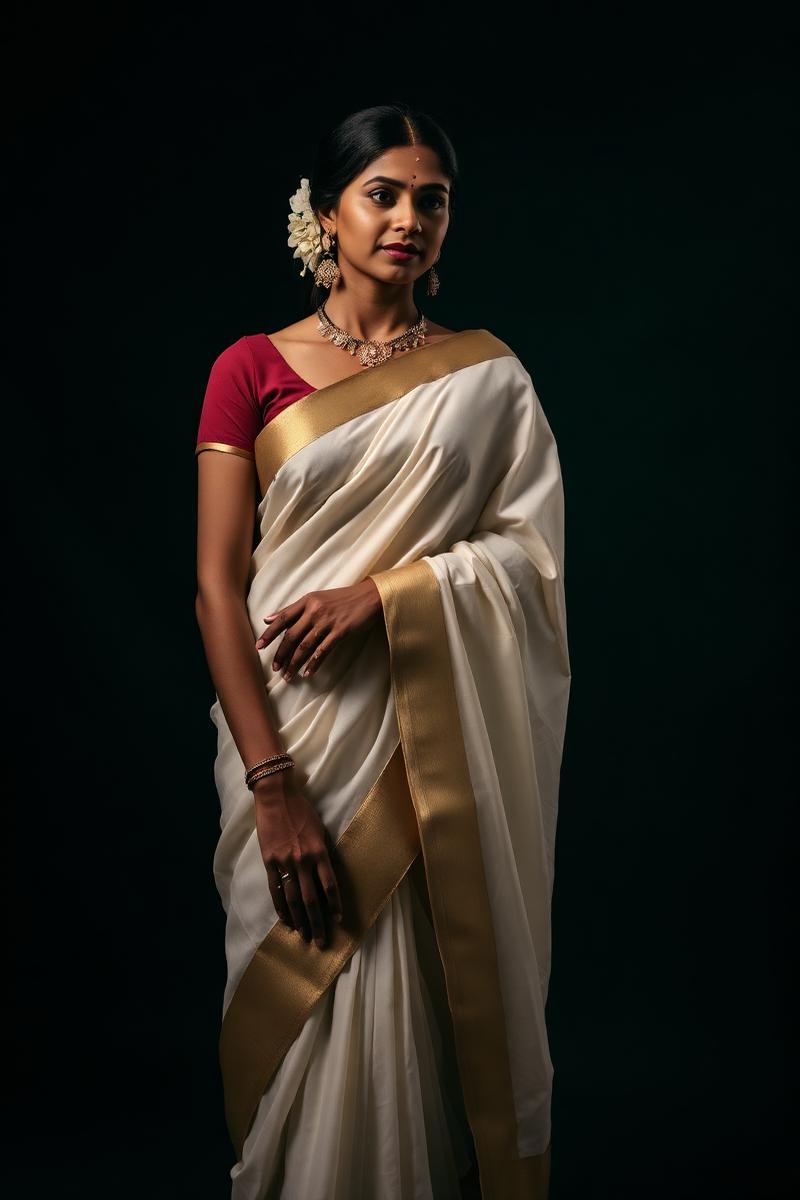
Everyday Heirloom · 1 of 12
Jamdani Muslin
₹96,000
A collection of intricate, hand-woven and painted border motifs.








The Heritage Timeline
Every saree in the register descends from a lineage that predates most nations. This is where the thread begins.
2800 BCE
Spindle whorls and dyed cotton fragments place Indian weaving among the oldest continuous crafts on earth.
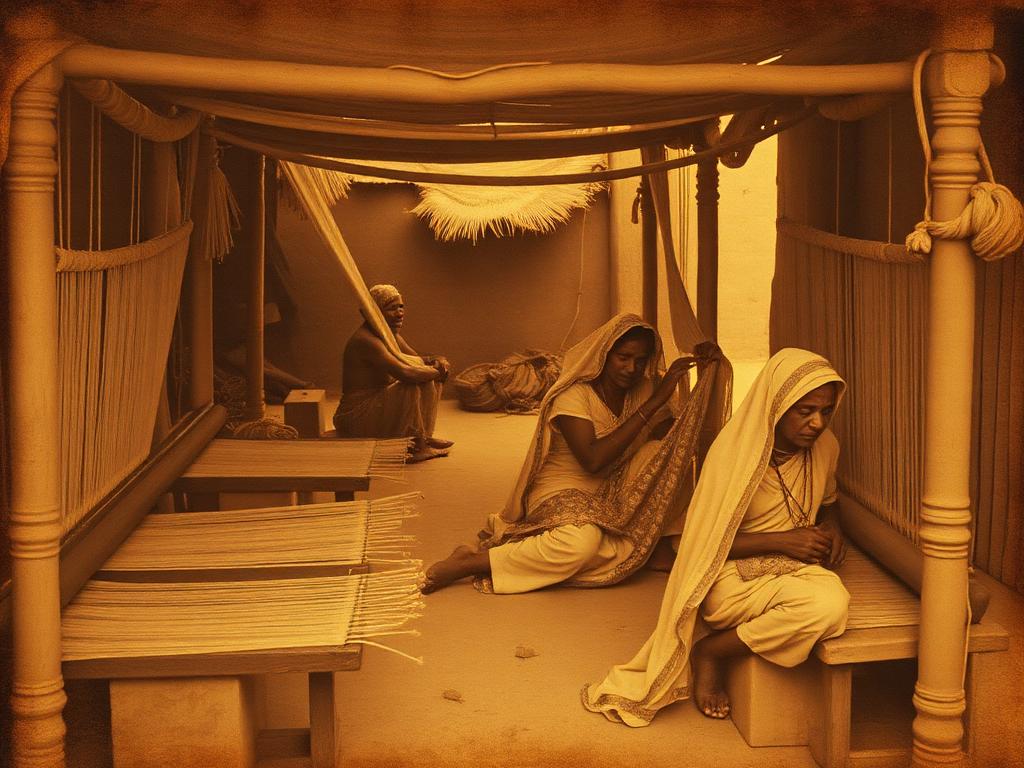
300 BCE
Kausheya silk travels west; Roman senators complain of gold draining east for cloth 'woven of woven wind'.
16th C.
Imperial workshops in Varanasi fuse Persian floral geometry with Indian brocade, birthing the Banarasi.
1905
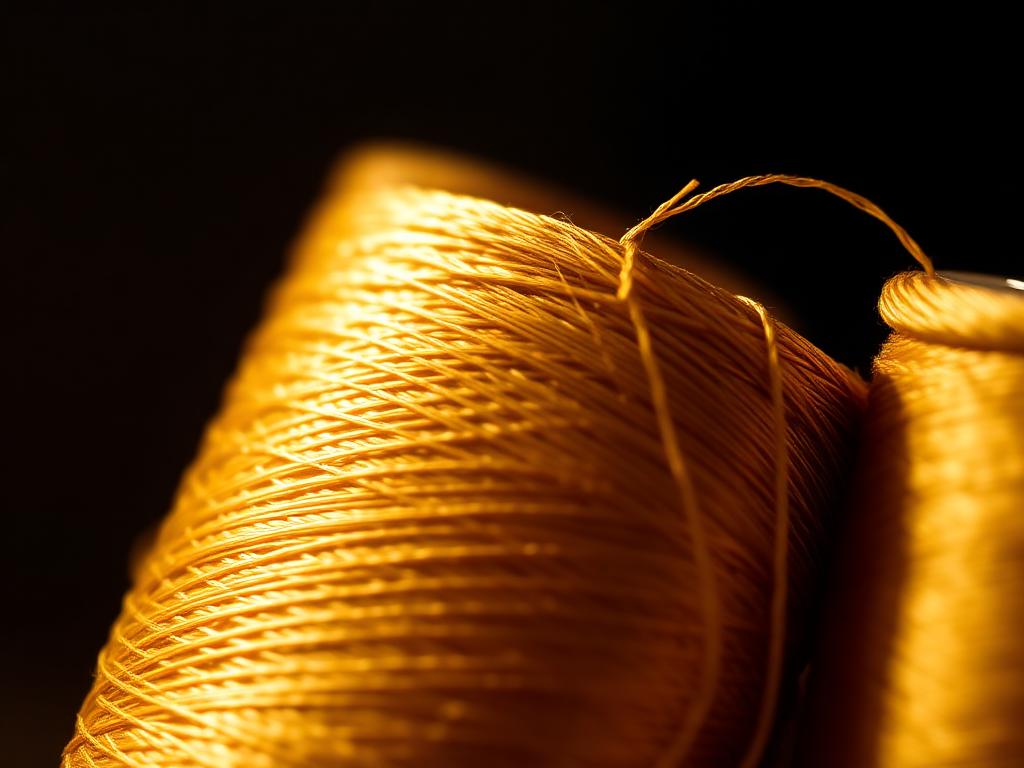
The handloom becomes a political instrument; village clusters organise, and regional identities harden into signatures.
Today
Direct commissions to master weavers, full provenance on every saree, and prices set by the loom — not the middleman.
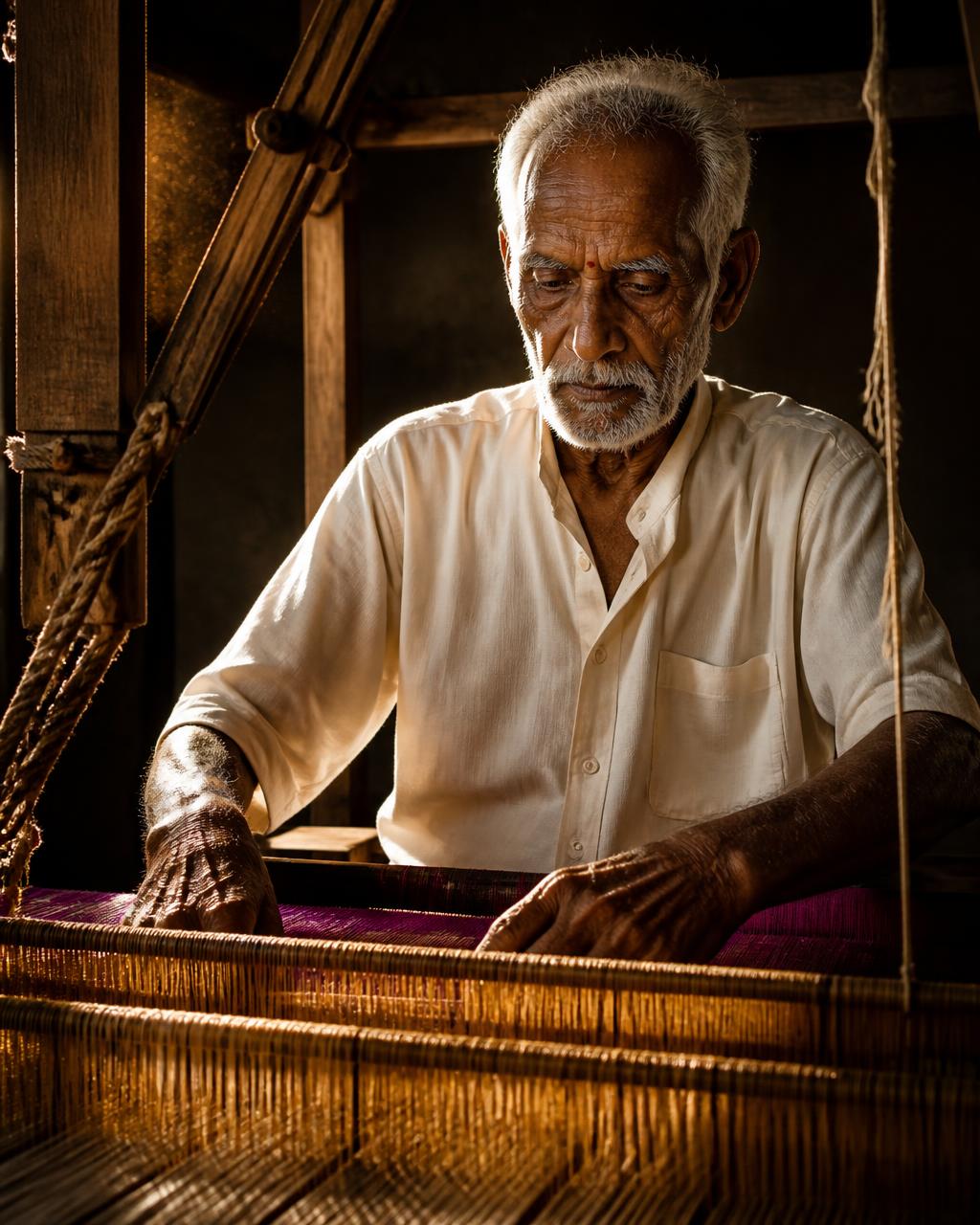
Ramesh Meher · Bargarh
Fourth-generation bandha weaver
The Hands
We commission directly from the loom. No middlemen, no power-loom substitutes, no imported zari passed off as pure. Weavers set their own price and keep their name on the selvedge — a practice we insist on for every piece in the register.
312
Weaving families
6
Loom clusters
48–186
Days per saree
100%
Pure zari